Innovative Training for Tomorrow’s Semiconductor Workforce
Understanding the CHIPS and Science Act
The CHIPS and Science Act, enacted in 2022, is a major U.S. legislative effort to strengthen domestic semiconductor manufacturing and research to reduce reliance on foreign supply chains. This initiative addresses critical supply chain vulnerabilities and highlights the importance of semiconductor technology to national security and economic stability.
The Act promotes workforce development and innovation through education and training programs. By investing in research institutions and industry-academia partnerships, the CHIPS and Science Act seeks to advance semiconductor technology and maintain U.S. leadership in this crucial sector.

Industrial Certifications
As the industry rapidly advances toward automation, these certifications are crucial for demonstrating specialized skills to prospective employers.
- Cleanroom Protocols and Safety
- Semiconductor-Tool Operation 1 (Overview)
- Semiconductor-Tool Operation: Lithography
- Semiconductor-Tool Operation: Deposition
- Semiconductor-Tool Operation: Etching
- Semiconductor-Tool Operation: Metrology
- Semiconductor-Operation: Chemical Mechanical Planarization
- Semiconductor Manufacturing Statistical-Process Control
- Semiconductor Equipment Installation and Maintenance
- Semiconductor Facility Operation and Maintenance
- C-201 Electrical Systems 1
- C-206 Electrical Systems Installation 1
- C-208 PLC Troubleshooting 1
- C-209 Pneumatic Systems 1
- C-210 Mechanical Power Systems 1
- C-208 Programmable Controller Troubleshooting 1
- C-213 Smart Sensor & Identification Systems 1
- FANUC National Certifications for Robotics and Advanced Automation Manufacturing

More Information
The semiconductor industry is evolving rapidly, and preparing the workforce requires more than purchasing equipment. It requires a thoughtful strategy that aligns curriculum, hands-on training, industry certifications, faculty development, and emerging technologies. Whether you're exploring a new semiconductor program or expanding an existing one, we're can help you identify the right solutions for your goals, budget, and students.
Contact us to discuss your semiconductor workforce development plans.
More Information
The semiconductor industry is evolving rapidly, and preparing the workforce requires more than purchasing equipment. It requires a thoughtful strategy that aligns curriculum, hands-on training, industry certifications, faculty development, and emerging technologies. Whether you're exploring a new semiconductor program or expanding an existing one, we're can help you identify the right solutions for your goals, budget, and students.
Contact us to discuss your semiconductor workforce development plans.
Advanced Semiconductor Manufacturing Skills
Electrical Skills
Alternating Currents, Direct Currents, Solid State technologies, troubleshooting, and using hand tools for electrical and electronic systems.
PLC Training
Learning PLC programming, automation concepts, system programming, and troubleshooting integrated automation systems.
Vacuum Technology
Understanding vacuum technologies, creating vacuum levels, maintenance procedures, and troubleshooting and repairing vacuum systems.
Advanced Manufacturing & Automation
Learning PLC programming, automation concepts, system programming, and troubleshooting integrated automation systems.
Sensors Technology
Industrial sensor types, installation, calibration, tolerance setting, and integration into automation systems for quality control and manufacturing processes.
Pneumatics Training
Actuators, control valves, pressure switches, cylinders, gauges, filters, basic hand tools, installation, troubleshooting, maintenance, and interpreting pneumatic diagrams.
Robotics Training
Learning about actuators, control valves, pressure switches, cylinders, gauges, filters, basic hand tools, installation, troubleshooting, maintenance, and interpreting pneumatic diagrams.
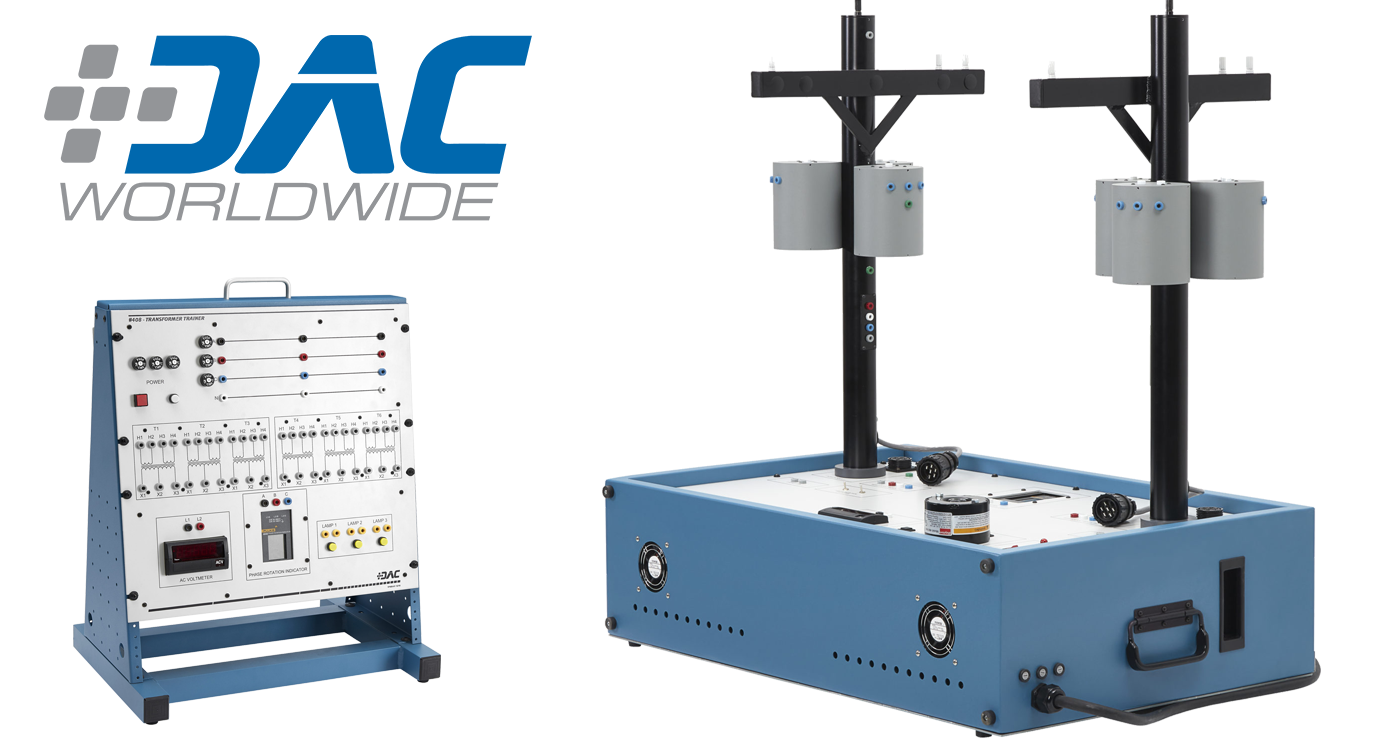
Amatrol Hands-On Training Systems
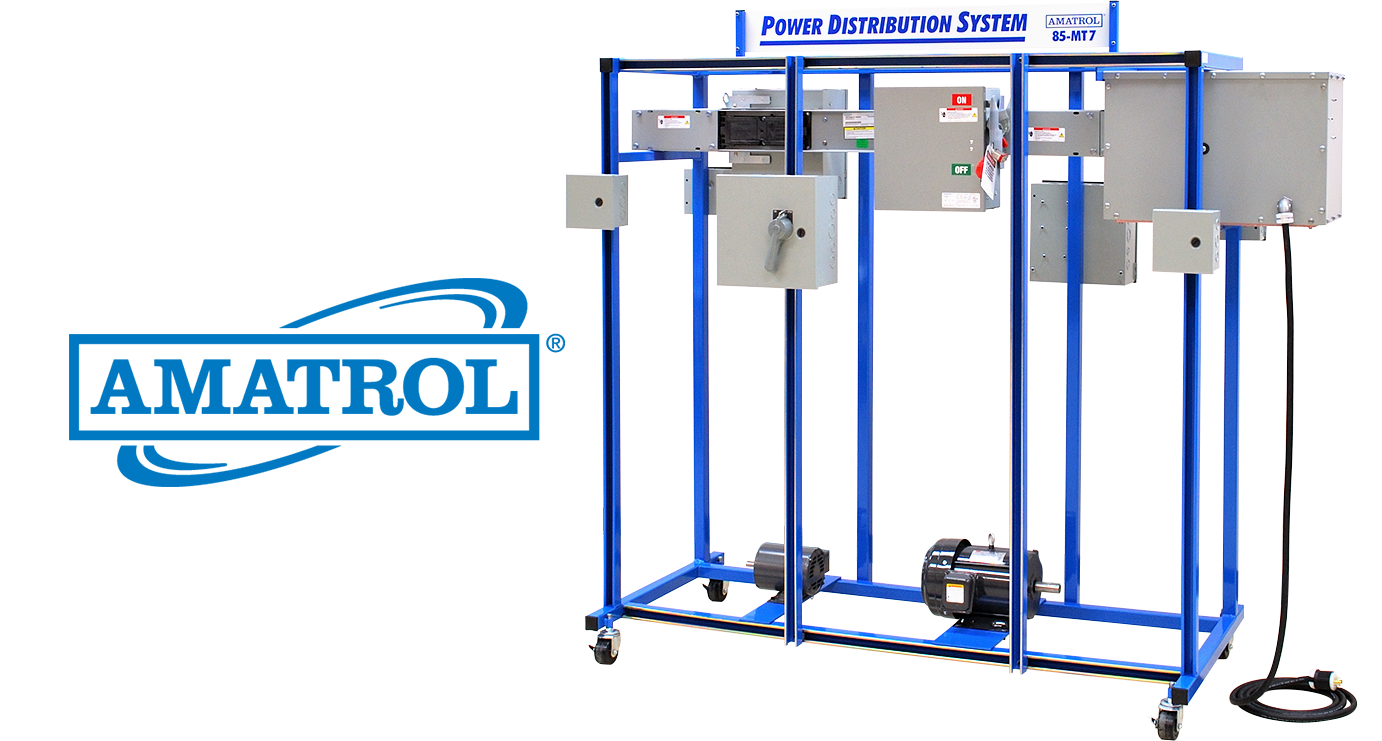
Amatrol’s training systems offer a comprehensive and immersive learning experience. These systems provide hands-on training in real-world environments, allowing learners to gain practical skills and proficiency in various technical areas. With a focus on industry-standard equipment and curriculum, Amatrol’s full-size training systems prepare individuals for success in today’s competitive workforce.
Smart Factory Training with CRX Robot
Amatrol’s integrated robot station features the FANUC CRX-5iA Collaborative Robot, equipped with a user-friendly programming interface and touchscreen pendant for easy operation, ideal for users with minimal robotic experience. Collaborative robots, or cobots, are designed for safe interaction with humans in va industrial roles.
Learners using this FANUC cobot alongside Amatrol’s Smart Factory Tabletop Mechatronics training system will gain practical skills in robot material handling, programming the cobot to handle parts from sliding chutes and place them in designated locations on the workstation.
Portable Training
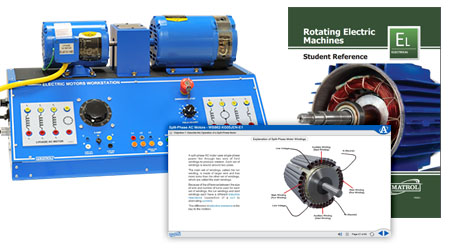
Amatrol’s Basic Electrical Machines Learning System (85-MT2) teaches electric machines commonly found in industrial, commercial, and residential applications: single-phase AC motors, three-phase AC electric motors, and DC electric motors. Learners practice industry-relevant skills, including operation, installation, analyzing performance, industrial motor wiring, and selecting electric machines for various applications.
eLearning Curriculum
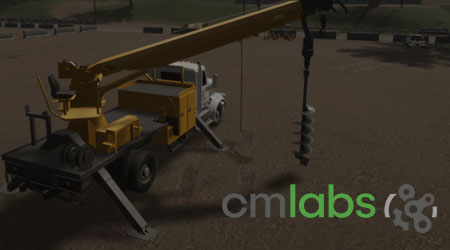
The Training Pack is the only solution that accurately replicates machine stability and engine behavior, reducing the likelihood of accidents due to tipping. Designed to support training for specialized techniques such as drilling and setting poles, the learning path guides trainees through increasingly challenging tasks and includes exercises to prepare for the crane certifications exams, such as EICA.
VR Safety Training

Employees trained in realistic, virtual environments will be familiarized with extreme heights, live wires, complex machinery, and more, helping them build muscle memory and retain pertinent information vital to on-the-job success. Using VR as a training and assessment tool can give management a new perspective on improving their safety training.