The Go1 line by Unitree has a variety of applications. The key features include human recognition, intelligent side flow, and a strong, reliable power system. These robots can be used for educational purposes and commercial applications. The options available in this line provide multiple ports for input and output devices, dynamic obstacle avoidance, gesture recognition, and programmable AI.
Warehouses stand as pivotal hubs within various industries' logistics and supply chains. Effective packing transcends mere box filling; it safeguards products, reduces shipping expenses, and fosters brand allegiance. Inadequate packing practices may result in damaged goods, heightened expenses, and potential hazards for employees and recipients. This course tackles these challenges directly.
Content Overview
This course's primary aim is to equip participants with optimal warehouse packing practices. By course completion, trainees will:
- Grasp and apply fundamental principles for efficient packing
- Select appropriate packing materials tailored to different goods
- Optimize space within containers to cut shipping expenses and diminish product risks
- Apply packing strategies harmonizing with shipping and logistics procedures
- Recognize the significance of labeling for easy identification and handling
- Integrate quality checks ensuring packages meet company standards
This course caters to warehouse current and future employees, logistics personnel, and anyone involved in the packing, shipping, or receiving operations.
Specifications
Categories:Warehouse Operations
Simulation Length: 10-15 minutes
Languages: English
Headset Availability:Our training modules are compatible with most major headset models available in the market.
Explore the crucial final steps of the picking process in our immersive VR experience – Back-End Labeling. Guaranteeing product readiness for dispatch, accurate identification for shipping, and traceability to the end customer, meticulous back-end labeling is paramount. Proper labeling at this stage helps avert logistical hurdles such as misrouted shipments, delays, and increased costs. Our course delves into the intricacies of back-end labeling, emphasizing precision and accuracy.
Learning Objectives
This course aims to educate workers on optimal practices for back-end labeling within a warehouse environment. Key takeaways include:
Understanding the importance and benefits of precise back-end labeling. Techniques ensuring accurate shipment identification. Mastery of labeling tools and software tailored for dispatch processes. Strategies to minimize errors during final labeling stages. Awareness of the impact of incorrect labeling on logistics and customer relations, with preventative strategies. Ideal for employees or supervisors involved in final stages of picking, packaging, and shipping within warehouse operations, our Picking: Back-End Labeling simulation offers a comprehensive learning experience.Simulation Details
Categories:Warehouse Operations
Simulation Length: 10-20 minutes
Languages: English
Headset Availability:ur training is compatible with most major headset models available in the market for an immersive learning experience.
Case picking stands as a critical operation in warehouses, particularly those managing bulk orders or larger items. Unlike individual units, case picking involves selecting and moving entire cases of products. Its efficiency and accuracy profoundly impact warehouse productivity and customer satisfaction. Optimal case picking reduces operational costs and streamlines goods' movement. The meticulously designed Picking: Case course offers insights into top-notch case picking practices, emphasizing both speed and precision.
Learning Objectives
This course aims to educate workers on the most effective methodologies and techniques for proficient case picking within warehouse environments. Key takeaways include:
- Grasping the fundamentals and significance of case picking in warehouse operations.
- Techniques ensuring accurate and efficient case selection.
- Proper handling and transport strategies to minimize case damage.
- Integration of technology and equipment for streamlined case picking.
- Strategies to optimize the flow of cases from shelves to dispatch areas.
Tailored for employees and supervisors engaged in bulk order processing, case handling, and relevant warehouse operations, the Picking: Case simulation delivers practical insights into efficient case picking techniques.
Simulation Details
Industry: Warehouse Operations
Simulation Length: 15-20 minutes
Language: English
Headset Compatibility: Our training is deployable across various major headset models available in the market, providing a versatile learning experience.
The efficiency and precision of picking operations significantly impact a warehouse's success. Front-end labeling, a crucial aspect of the picking process, ensures accurate product identification, tracking, and dispatch. Proper labeling mitigates errors, amplifies efficiency, and elevates customer satisfaction. Hard Hat VR's course focuses on mastering front-end labeling nuances during the initial picking stages, striving to minimize errors and optimize efficiency.
Learning Objectives
This course aims to equip workers with optimal practices for front-end labeling in warehouse picking processes. Participants will gain insights into:
- Understanding the importance and advantages of accurate front-end labeling.
- Techniques ensuring precise product identification.
- Effective utilization of labeling tools and software.
- Strategies to reduce errors in the labeling phase.
- Recognizing the impact of mis-labeling on the entire supply chain and implementing preventative measures.
Tailored for current and future employees and supervisors engaged in warehouse picking and dispatching processes, the Picking: Front-End Labeling course offers practical insights into efficient labeling practices.
Simulation Details
Industry Focus: Warehouse Operations
Duration: 15-20 minutes
Language: English
Headset Compatibility: Our training modules are deployable across most major headset models available in the market.
Order Pickers are a type of forklift that allow workers to build pallets at high levels - up to 35 feet! A fall from this height can cause serious damage; 4 out 5 falls from over 11 feet result in death. In fact, 1,008 workers died as a result of workplace falls in 2018, making fatal falls OSHA’s number one accident that can occur in the workplace. However, fatal falls are 100% avoidable.
Content Overview
The primary goal of this course is to teach workers safe procedures when working at heights in a warehouse environment. The user will learn how to:
- Understand the role of a personal fall arrest system
- Inspect and select a safety harness
- Inspect and select a lanyard
- Inspect and select an anchorage point
- Prepare for the unexpected in the workplace
The Working at Heights simulation is ideal for employees or supervisors who work in or around warehouse operations.
Simulation Specs
Categories: Warehouse & Manufacturing Industries
Simulation Length: 10-15 minutes
Languages : English
Headset Availability: We can deploy our training to most major headsets on the market.
Warehouses can be dangerous places to work in. It is important to understand common warehouse dangers and hazards because they can cause injuries and in extreme cases death. All jobs come with their own occupational hazards, but a warehouse in particular can be incredibly risky – especially when the dangers are less obvious. It’s easy to take safety for granted. The US Bureau of Labor Statistics reported an average of 16 fatalities every year in the U.S. warehousing and storage sector and a reported injury and illness rate of 5 out of every 100 warehouse and storage workers.
Learning Objectives
This course aims to educate workers on the most effective methodologies and techniques for proficient case picking within warehouse environments. Key takeaways include:
- Routines for maintaining a safe warehouse
- Safe material handling and storage procedures
- How to prevent and prepare for emergencies
- Safe lifting techniques
- Protocol for working around forklifts and other heavy equipment
- Working safely near loading docks.
The Warehouse Hazard awareness simulation is ideal for current and future employees or supervisors who work in or visit warehouses.
Simulation Details
Industry: Warehouse Operations
Simulation Length: 10-15 minutes
Language: English
Headset Compatibility: Our training is deployable across various major headset models available in the market, providing a versatile learning experience.
This video demonstrates setting up the cutting feature on Lincoln Electric's VRTEX® 360 Compact Tabletop virtual reality welding trainer.
This video provides overview of setting up and using the GMAW function on Lincoln Electric's VRTEX® 360 Compact tabletop virtual reality welding trainer.
This video provides an overview of setting up and using the SMAW function on Lincoln Electric's VRTEX® 360 Compact tabletop virtual reality welding trainer.
Watch an overview demonstration of using the Lincoln Electric's VRTEX® 360 Compact Tabletop virtual reality welding trainer.
Pages
-
 Item Number:PS / CP / AI
 -
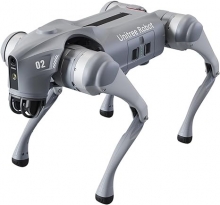 Discover the versatility of Unitree's Go 2 line, featuring human recognition, intelligent side flow, and a robust power system. Ideal for both educational and commercial use, these robots offer multiple input/output ports, dynamic obstacle avoidance, gesture recognition, and programmable AI, making them a powerful choice for a range of applications.
 -
 The premium version of GrabCAD Print™, GrabCAD Print Pro™, supports high-performance end-use parts or prototypes utilized in process-controlled conditions. This includes enhanced features such as Accuracy Center, Manufacturing Templates, 3rd Party Plugins, and Per-Part Estimation. Additional features will be included in future releases.
 -
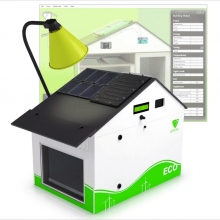 Item Number:122-01Explore sustainable building technologies with the Green Energy in Buildings Trainer (122-01). This innovative educational tool offers hands-on learning experiences, real-time energy data monitoring, and practical activities to engage students in STEM education focused on energy efficiency and green technology.
 -
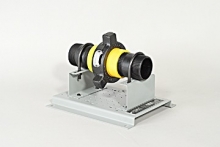 Item Number:295-708DAC Worldwide's Hammer Union Cutaway (295-708) is a sectioned piping component sample for training in the design, application, use, and safety considerations for hammer unions.
 -
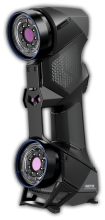 HandySCAN 3D BLACK Series is the fastest portable metrology-grade 3D laser scanner on the market, offering the highest measurement rate and accuracy available. It’s ideal for product development and quality control.
 -
 Elevate your 3D scanning capabilities with the Creaform HandyScan 3D Max Series. Unleash precision and versatility in your projects. Explore this cutting-edge solution for high-quality 3D measurements and seamless performance.
 -
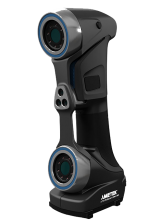 Made in North America, this professional-grade 3D scanner offers the perfect mix of unbeatable performance at a great price. Based on trusted and patented metrology-grade 3D scanning technology.
 -
 Item Number:HRVThe simulation software puts you at the controls of a typical tracked carrier (swing machine) equipped with an articulated boom and free-swinging "dangle-type" harvester head. You can even change the viewpoint during the simulation at the touch of a button. Simply set up the simulator controls, install the simulation software on your desktop or laptop PC, and begin!
 -
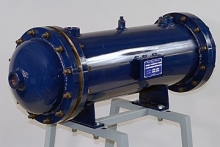 Item Number:238-000DAC Worldwide’s Heat Exchanger Maintenance Training System (238-000) consists of a full-size shell and tube industrial heat exchanger. This flanged, fixed tube, bundle-type heat exchanger represents one of the most common types of heat exchangers learners will encounter on the job.