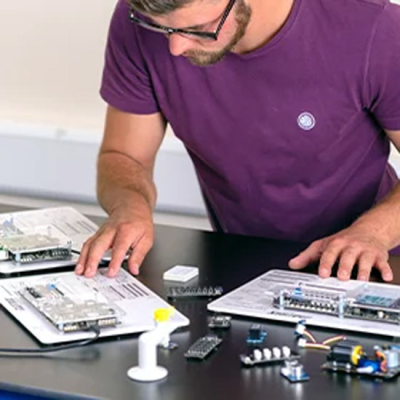

Amatrol’s 950-TNC1 Turbine Electric Hub Troubleshooting Learning System allows students to learn the skills required for wind turbine operation, adjustment, and troubleshooting.
Matrix TSL manufacturing engineering teaching resources introduce students to modern production methods, combining traditional machining concepts with advanced manufacturing technologies. Through hands-on systems such as CNC machining, process control, and automated production, learners gain practical insight into how products are designed, produced, and optimized.
These solutions help bridge the gap between classroom learning and industrial practice, enabling students to develop skills in areas such as G-code programming, quality control, and production workflows. Ideal for technical education and workforce training programs, they prepare learners for careers in advanced manufacturing and Industry 4.0 environments.
Matrix TSL mechanical engineering teaching resources allow students to explore core principles such as statics, dynamics, materials, and thermodynamics through hands-on experimentation. Rather than relying solely on theoretical instruction, learners can visualize and test mechanical behavior in a controlled lab setting.
These systems are designed to support engineering programs at multiple levels, helping students build problem-solving skills and a strong understanding of mechanical systems. By connecting theory to real-world applications, they prepare learners for careers in mechanical design, engineering analysis, and related technical fields.
Matrix TSL renewable energy teaching resources help students understand the technologies driving the global transition to sustainable energy. Covering areas such as solar, wind, and energy management systems, these solutions provide practical, hands-on experience with the principles behind renewable power generation and distribution.
With a focus on real-world applications, students can explore how energy is generated, stored, and integrated into modern grids. These systems support programs preparing learners for careers in renewable energy, electrical systems, and sustainable infrastructure.
Matrix TSL skilled trade teaching resources are designed to build foundational technical skills that apply across multiple industries. From electrical installation and maintenance to basic engineering and troubleshooting, these systems provide hands-on training that emphasizes practical, job-ready competencies.
Ideal for career and technical education programs, these solutions help students develop confidence working with tools, systems, and processes they will encounter in the field. By combining structured curriculum with real-world applications, they support pathways into apprenticeships, certifications, and skilled trade careers.
Flexible PLC & Pneumatics Training with Matrix Automatics
Wednesday, January 27, 2021
The Matrix TSL Automatics range is designed to simplify the teaching of pneumatics and automation, while also providing a powerful platform for PLC programming and control. Built with industry-standard components adapted for education, Automatics allows students to move from foundational concepts to advanced automation applications using real hardware and software.
This video demonstrates how instructors can integrate PLC programming into their curriculum using multiple flexible approaches—whether introducing basic control concepts or developing advanced programming skills aligned with industry practices.
The Control Add-On Kit enhances the Automatics Essentials system by introducing a powerful PLC, sensors, and solenoid valves. This setup allows students to directly control pneumatic hardware using software-based programming.
- Develop skills in reading sensors and switches
- Control pneumatic circuits through software commands
- Understand digital vs. analog signals
- Use flowcharts to visualize logic and decision-making
- Program sequences, loops, and feedback systems
Two curriculum levels are included: one focused on pre-programmed control, and another introducing students to writing their own PLC programs.
For programs that want to align with specific manufacturers, the Automatics system can be expanded using a PLC bracket and input/output modules. This allows connection to a wide range of industry-standard PLCs, including:
- Siemens
- Mitsubishi
- Allen-Bradley
- Omron
- Other leading PLC platforms
Students can then program using ladder logic or manufacturer-specific software, gaining experience that directly translates to real-world automation environments.
As an educational partner of Siemens, Matrix TSL also offers a dedicated S7-1200 PLC training add-on. This solution includes:
- Siemens PLC hardware
- Industry-standard programming software
- Curriculum aligned to Siemens automation systems
This option provides students with hands-on experience using one of the most widely used PLC platforms in modern industry.
Whether introducing basic control concepts or delivering advanced PLC programming, the Matrix Automatics range offers flexible, scalable solutions to meet the needs of secondary, postsecondary, and workforce training programs.
With modular hardware, structured curriculum, and compatibility with multiple PLC platforms, educators can design training that aligns with industry standards and workforce demands.
Engineering Education Systems bring complex engineering concepts to life through hands-on, interactive learning experiences. These systems are designed to help students move beyond theory and develop practical skills that align with real-world engineering applications across multiple disciplines.
Solutions within this category support a wide range of program areas, including mechanical, electrical, civil, and manufacturing engineering. By combining physical hardware, structured curriculum, and data acquisition tools, these systems enable students to explore, test, and analyze engineering principles in a controlled lab environment.
From foundational concepts to advanced applications, Engineering Education Systems provide scalable learning pathways for universities, community colleges, and advanced STEM programs. Students gain experience with industry-relevant equipment and methodologies, preparing them for careers in engineering, manufacturing, energy, and emerging technologies.
- Hands-On Learning: Reinforce theoretical concepts through real-world experimentation and lab-based activities.
- Industry-Relevant Skills: Utilize equipment and processes that mirror modern engineering environments.
- Structured Curriculum: Support instructors with guided learning materials, lab exercises, and assessment tools.
- Multi-Disciplinary Coverage: Address core engineering topics including mechanics, fluid dynamics, electrical systems, and automation.
- Scalable Solutions: Adapt to different education levels, from introductory courses to advanced engineering programs.
- Mechanical & Structural Engineering
- Electrical & Electronic Systems
- Fluid Mechanics & Process Control
- Automation & Manufacturing Systems
- Materials & Testing
Whether building a new lab or enhancing an existing program, our Engineering Education solutions provide the tools to deliver engaging, outcomes-focused training that prepares students for the demands of today’s engineering workforce.
Solving the Seat-Time Challenge with Simulation Training
Alfred State College faced a critical challenge in its Heavy Equipment Operation program: limited access to real machinery meant students weren’t getting enough hands-on experience to build essential skills. At the same time, training inexperienced students on live equipment introduced safety risks for both learners and instructors.
To overcome these challenges, Alfred State integrated CM Labs simulators into its training program. By adding multiple simulation units, the college expanded instructional capacity, increased student access to practice time, and created a safer, more controlled learning environment.
How Simulation Transformed Training
- Increased Capacity: Expanded program enrollment and provided consistent access to training resources.
- Enhanced Safety: Allowed students to build confidence before operating real equipment.
- Faster Skill Development: Training time improved by an estimated 20–30%.
- Real-World Scenarios: Simulators replicate weather, lighting, and jobsite conditions.
- Objective Assessment: Performance metrics such as task time, fuel usage, and precision support measurable outcomes.
Students were able to gain critical seat time faster, improving skill development and reducing training bottlenecks.
Real Impact for Workforce Readiness
With the addition of simulation, Alfred State grew its program from approximately 40 students to over 100, all while improving training quality. Students now gain exposure to multiple machine types and develop both operational and performance-optimization skills—helping reduce fuel consumption, minimize wear, and extend equipment life.
By combining simulation with traditional training, Alfred State has created a scalable, safe, and highly effective pathway to workforce readiness—preparing students with the confidence and competence needed to succeed in the field.
FANUC CNC training solutions are designed to help students, educators, and workforce trainees develop the real-world skills required for modern CNC machining environments. Built around industry-standard FANUC CNC controls, these solutions support hands-on learning in CNC programming, setup, operation, and troubleshooting. By using the same control platforms found on production shop floors, learners gain practical experience that directly translates to in-demand manufacturing careers.
Ideal for high school CTE programs, community colleges, technical schools, and industrial training centers, FANUC CNC training solutions can be integrated into curricula for machining, mechatronics, and advanced manufacturing. Whether used alongside CNC simulators, machine tools, or automation systems, these solutions bridge the gap between classroom instruction and real-world application, preparing learners to confidently operate, program, and maintain CNC equipment in today’s automated manufacturing environments.cnc
Amatrol Mechanical Drive Trainers
When your goal is job-ready mechanical maintenance skills, learners need more than a cutaway view of components. Amatrol Mechanical Drive Trainers are designed for true hands-on skill-building—students assemble, align, operate, measure performance, and troubleshoot real power transmission systems using industry-standard components.
X-Cal provides these Amatrol training systems as part of a complete training solution, helping schools and workforce programs select the right configuration, map outcomes to program goals, and plan a smooth implementation.
Amatrol’s mechanical drives learning systems support training in power transmission fundamentals and real-world maintenance tasks—ideal for CTE pathways, maintenance technology, mechatronics support skills, and industrial upskilling.
- Assemble shaft, belt, chain, and gear drive applications using real components
- Align motors and driven components using practical alignment methods
- Adjust belt tension and chain sag to specification
- Measure speed and performance variables to connect theory to outcomes
- Troubleshoot common mechanical drive issues tied to installation, alignment, and wear
- Amatrol Mechanical Drive Trainers: learners build and run working systems (shaft, belt, chain, gear, couplings), practice alignment and tensioning, take measurements (speed/torque/power), and complete troubleshooting tasks with safety procedures integrated.
- DAC Cutaways: excellent for visual understanding and component identification, but typically focused on “see how it’s built” rather than “install, adjust, measure, and diagnose under operating conditions.”
- Best practice: use cutaways for quick concept reinforcement and use functional trainers for competency, performance verification, and repeatable hands-on assessments.
- Mechanical drive systems and power transmission fundamentals
- Key fasteners and coupling installation
- Shaft alignment methods and best practices
- V-belt drives and belt tensioning
- Chain drives, master links, lubrication concepts, and adjustment
- Spur gear drives and backlash concepts
- Multi-shaft drive applications and system setup
These systems pair theory with immediate application—learners study a concept, then perform the task on the trainer to reinforce retention and build confidence for real maintenance environments. This approach supports consistent outcomes across multiple cohorts and instructors.
- CTE and STEM programs: introduce power transmission and maintenance fundamentals with safe, repeatable labs
- Community & technical colleges: support industrial maintenance and mechanical systems coursework
- Industry training: accelerate onboarding and upskilling for maintenance technicians and multi-craft teams
- Workforce development: build measurable, hands-on competencies that align to employer expectations
Get a Recommended Trainer Package
Tell us what you’re teaching (and to whom), and we’ll help you select the best training solutions and implementation plan—from foundational skills to expanded training options.
X-Cal offers DAC Worldwide mechanical training tools designed to support visual learning, component inspection, and reliability-focused education. These tools help learners understand how mechanical components are constructed, how they operate internally, and where common wear and failure points occur.
DAC Worldwide training tools are ideal for reinforcing mechanical concepts, supporting predictive maintenance instruction, and complementing hands-on functional training systems.
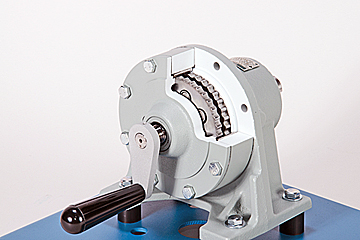
Mechanical Cutaways & Dissectibles
Sectioned cutaways and dissectible models allow learners to see inside real industrial components such as pumps, valves, motors, and gearboxes. By exposing internal parts, flow paths, and wear surfaces, these tools help students visualize operation and failure modes that are otherwise hidden during normal use.
- Sectioned pumps, valves, motors, and gearboxes
- Clear visibility of internal components and assemblies
- Identification of common wear points and failure areas
- Ideal for demonstrations, inspections, and classroom discussion
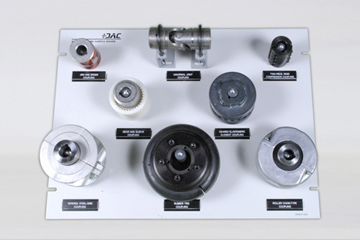
Mechanical Sample Boards
DAC Worldwide sample boards present mechanical components in a side-by-side format that supports comparison, identification, and inspection skills. Learners can examine construction differences, materials, and design features across commonly used mechanical elements.
- Bearings, seals, couplings, and fasteners
- Side-by-side comparison for inspection and identification
- Supports foundational mechanical knowledge and vocabulary
- Excellent visual aids for labs and classrooms
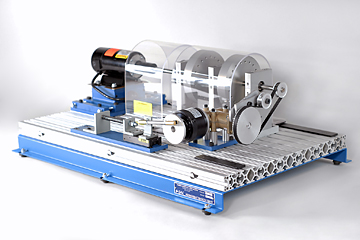
Alignment & Vibration Training Tools
Alignment and vibration trainers use authentic industrial hardware to introduce predictive maintenance and reliability concepts. These tools help learners understand how misalignment and vibration affect equipment performance, lifespan, and maintenance planning.
- Hands-on exposure to alignment concepts
- Introduction to vibration and condition monitoring principles
- Supports predictive maintenance and reliability training
- Reinforces inspection-based maintenance practices
How These Tools Are Commonly Used
DAC Worldwide mechanical training tools are most effective when used to support instruction, demonstrations, and inspection-based learning. They are frequently paired with functional trainers to provide both visual understanding and real-world context.
- CTE and STEM programs introducing mechanical systems
- Industrial maintenance and reliability coursework
- Predictive maintenance and vibration awareness training
- Instructor-led demonstrations and lab supplements
Complementary Training Approach
While DAC Worldwide tools excel at visualizing internal operation and component construction, many programs pair them with functional training systems for performance-based skill development. This blended approach helps learners move from understanding how components work to applying that knowledge in real maintenance environments.
Pages
-
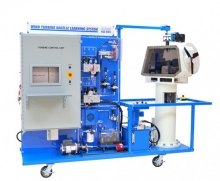 Item Number:950-TNC1
 -
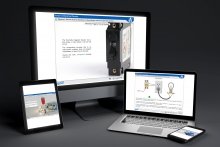 Amatrol’s virtual trainers replicate physical systems in such detail that students can build skills even when they don’t have access to actual equipment.
 -
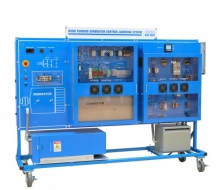 Item Number:950-TGC1Amatrol’s Wind Turbine Generator Control Troubleshooting allows students to develop operation and troubleshooting skills...
 -
 Offering unmatched depth and breadth of training, Amatrol’s Oil and Gas Program builds industry-relevant competencies using world-class simulators featuring industry-standard components and highly interactive curriculum. The Oil and Gas Program covers vital areas such as electrical, electronics, instrumentation and process control, and mechanical training.
 -
 Amatrol’s Workplace Safety training courses explain the basic principles necessary to keep work environments as accident-free as possible. Learners will study the common causes of workplace accidents and the role of OSHA and other agencies regulating safety before moving to personal safety actions and awareness, such as Personal Protective Equipment, Hazardous Communication, Lockout / Tagout, and Accident Response.
 -
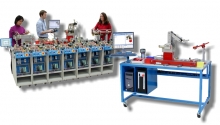 Tech-Labs offers equipment and curriculum from Amatrol’s Advanced Manufacturing program. Amatrol’s industry-leading equipment and curriculum are developed in partnership with industry to deliver job-ready, industry-relevant skills. Working closely with companies like Caterpillar, Tropicana, and many others Amatrol has designed equipment for workplace success.
 -
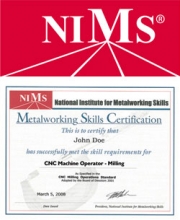 CNC Machine Operators require skills in operating a CNC machine but are not machinists. Through industry task analysis as well as strong involvement with our development partner, a large global manufacturer, Amatrol’s CNC Machine Operator Program brings a highly focused, streamlined set of skills to CNC Machine Operator training.
 -
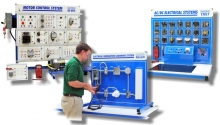 Amatrol has developed the most comprehensive, in-depth selection of online electrical training solutions available today, beginning with the basics of AC/DC electrical and moving on to more advanced topics like electrical machines, relay control, and fabrication; electrical motor control; and electrical wiring and power distribution.
 -
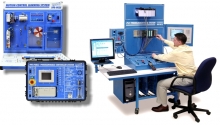 Amatrol’s electronics learning systems combine hands-on skills and multimedia curriculum to form a training experience with unmatched breadth and depth. This product focusses on electronic drives and programmable logic controllers to give current and future workforce members the knowledge that they’ll need to excel in the their career paths.
 -
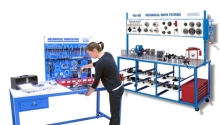 Amatrol’s mechanical training systems are the best in the industry. The learning programs were developed in partnership with industry and education to insure that the skills are on target to support modern industry needs.