Discover the pivotal final steps of warehouse picking through VR Hard Hat's immersive Back-End Labeling course. Ensure product readiness, accurate shipment identification, and end-to-end traceability. Our course emphasizes precision in back-end labeling, minimizing logistical hurdles for efficient operations.
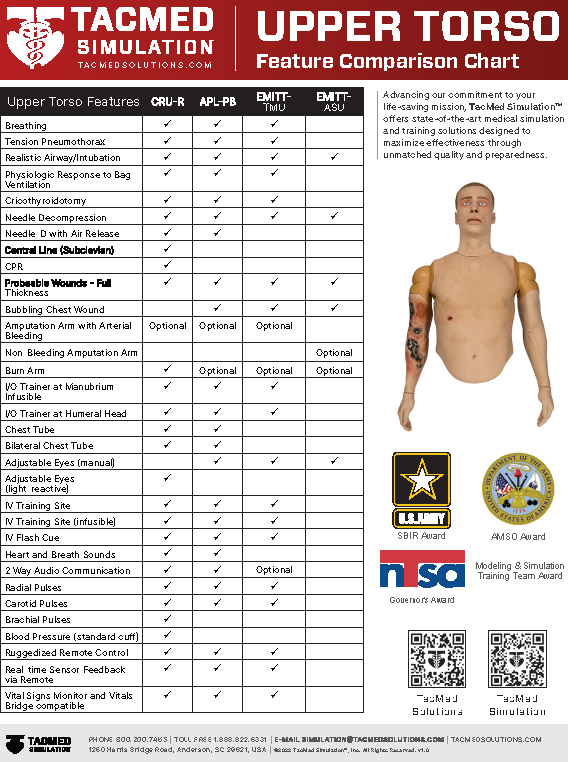
TacMed Upper Body Simulation Models offer cutting-edge medical simulation training solutions for emergency medical services (EMS), tactical medicine, and healthcare professionals. Our advanced simulation models are designed to provide realistic and immersive training experiences, enabling learners to develop critical skills and enhance their preparedness for real-world scenarios.
Key Features of TacMed Upper Body Simulation Models:
- Realistic Anatomy: The simulation models accurately replicate human anatomy, including airway structures, chest cavities, and vascular systems, allowing for lifelike training scenarios.
- Interactive Learning: TacMed Upper Body models feature interactive components such as interchangeable airways, simulated bleeding, and palpable pulses, providing hands-on learning experiences for trainees.
- Customizable Scenarios: Trainers can create custom scenarios tailored to specific learning objectives, from basic airway management to advanced trauma care techniques.
- High-Quality Materials: Made from durable materials, Upper Body simulation models are designed for repeated use in training environments without compromising realism or functionality.
- Versatile Training Options: Our models support a range of training methods, including individual skill practice, team-based simulations, and scenario-based assessments.
- Mix and Match Capability: TacMed Upper Body models are available individually and can be mixed or matched with different lower simulation models, offering flexibility and versatility in training setups.
Whether for seasoned healthcare professionals looking to refine their skills or a training coordinator seeking innovative simulation solutions, TacMed Upper Body Simulation Models offer unparalleled realism and effectiveness in medical education.
Explore our range of simulation models and elevate your training experience with TacMed Uppers today!
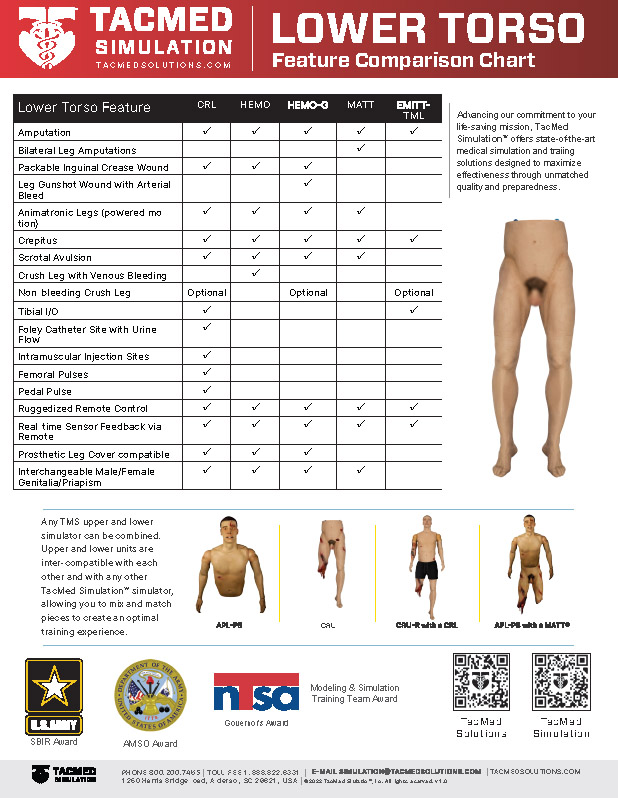
TacMed Lower Body Simulation models are designed to provide lifelike scenarios for emergency medical services (EMS), tactical medicine, and healthcare professionals. Download this comparison guide to explore the features and benefits of our TacMed Lower Body Simulation models for your training program.
Key Features of TacMed Lower Body Simulation Models:
- Realistic Anatomy: Our simulation models accurately replicate lower body anatomy, including skeletal structures, musculature, and vascular systems, allowing for immersive training experiences.
- Interchangeable Components: TacMed Lower Body Simulation models feature interchangeable components such as simulated wounds, bleeding control devices, and fracture management systems, providing a versatile training platform.
- Customizable Scenarios: Trainers can create custom scenarios to simulate a wide range of injuries and medical emergencies, from gunshot wounds to orthopedic injuries, enhancing trainees' preparedness and skills.
- Durable Construction: Made from high-quality materials, TacMed Lower Body Simulation models are designed for repeated use in training environments, ensuring durability and longevity.
- Compatibility: Our Lower Body Simulation models are compatible with a range of upper body simulation models, allowing for comprehensive full-body training simulations.
Whether focusing on trauma care, tactical medicine, or general medical training, TacMed Lower Body Simulation models offer unparalleled realism and effectiveness in medical education. Explore our range of TacMed Lower Body Simulation models and elevate your training experience today!
Download TacMed's Comprehensive Catalog of Simulation Models
TacMed understands the importance of realistic medical training simulations for healthcare professionals. This comprehensive catalog offers various simulation models designed to enhance medical training experiences.
What You'll Find in this Catalog:
- TacMed Uppers: Explore our range of upper body simulation models, including trauma, wound care, and emergency medical scenarios. These realistic models provide hands-on training for healthcare professionals.
- TacMed Lowers: Discover our lower body simulation models, perfect for practicing lower limb injuries, medical procedures, and patient care scenarios. These models offer a lifelike experience for medical training.
- Mix and Match: These simulation models are designed to be versatile. Mix and match TacMed Uppers and Lowers to create custom training scenarios tailored to your educational needs.
- Realistic Features: From lifelike skin textures to anatomically correct structures, our simulation models prioritize realism to ensure effective medical training outcomes.
Why Choose TacMed Simulation Models?
- Realistic and Durable: TacMed models are built to withstand repeated use, providing long-lasting training solutions.
- Versatile Training: Create a wide range of medical scenarios with our mix-and-match simulation models.
- Industry-Leading Quality: TacMed is committed to providing top-quality simulation solutions for healthcare education.
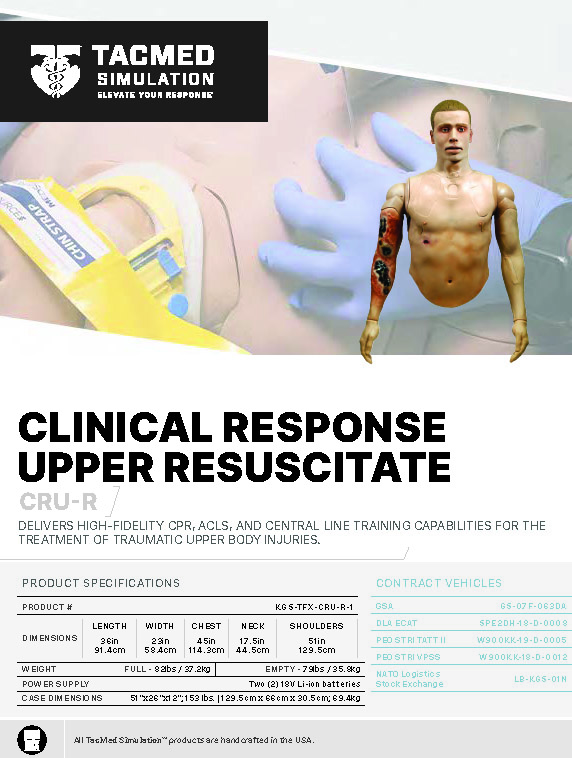
Experience cutting-edge medical simulation training with TacMed's CRU-R Resuscitate (CRU-R) Trainer. This advanced simulator is designed to provide healthcare professionals with realistic and immersive training scenarios in resuscitation and critical care.
Key Features
- Realism Redefined: The CRU-R Trainer offers lifelike simulations of medical emergencies, including cardiac arrest, trauma cases, and more, providing a realistic training environment.
- State-of-the-Art Technology: Utilizing advanced technology, the CRU-R Trainer replicates vital signs, patient responses, and treatment outcomes for comprehensive training experiences.
- Versatile Training: From individual skill development to team-based exercises, the CRU-R Trainer supports a wide range of training scenarios, catering to diverse training needs.
- Interactive Learning: Users can interact with the simulator, administer treatments, and monitor patient progress, fostering active learning and skill enhancement.
- Customization Options: Adjust parameters such as patient condition, response to interventions, and environmental variables to create tailored training experiences that meet specific learning objectives.
Benefits of CRU-R Trainer
- Enhanced Preparedness: Develop critical thinking, decision-making, and emergency response skills in a safe yet realistic training environment.
- Cost-Effective Training: Reduce the need for costly live patient simulations while ensuring comprehensive training for healthcare teams.
- Improved Patient Outcomes: Increase proficiency in resuscitation protocols, leading to better patient care and outcomes in real-world scenarios.
- Scalable Solution: Suitable for individual training, team-based exercises, and educational institutions seeking advanced medical simulation capabilities.
Explore the TacMed CRU-R Resuscitate (CRU-R) Trainer in detail by downloading the brochure. For inquiries, demos, or purchasing information, contact us today.
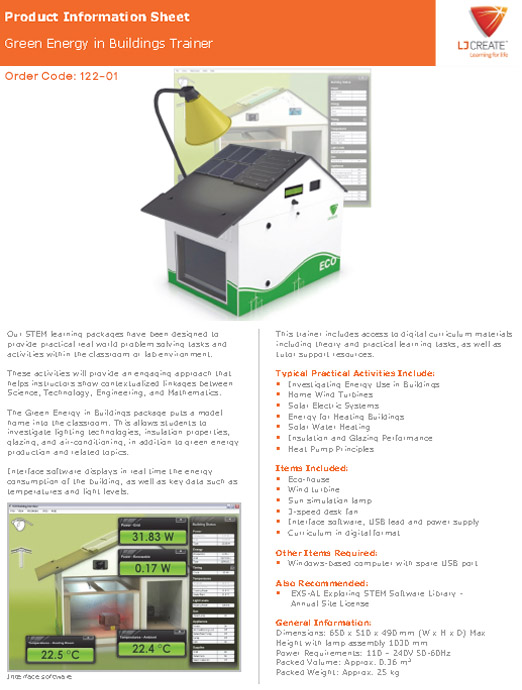
The Green Energy in Buildings Trainer (122-01) is an innovative educational tool to immerse students in sustainable building technologies. It offers a comprehensive learning experience by allowing students to investigate various aspects of green energy production, including lighting technologies, insulation properties, glazing, air-conditioning systems, and more. Students can monitor energy consumption, temperatures, and light levels within the simulated building environment through real-time data displayed in the interface software, gaining practical insights into energy efficiency and sustainability.
This trainer is a theoretical tool and a hands-on solution that brings STEM learning to life. It includes various practical activities such as exploring energy use in buildings, experimenting with home wind turbines and solar electric systems, studying heating solutions, analyzing solar water heating, evaluating insulation and glazing performance, and learning about heat pump principles. With access to digital curriculum materials and tutor support resources, educators can facilitate engaging lessons that showcase the interconnectedness of science, technology, engineering, and mathematics in creating a greener future.
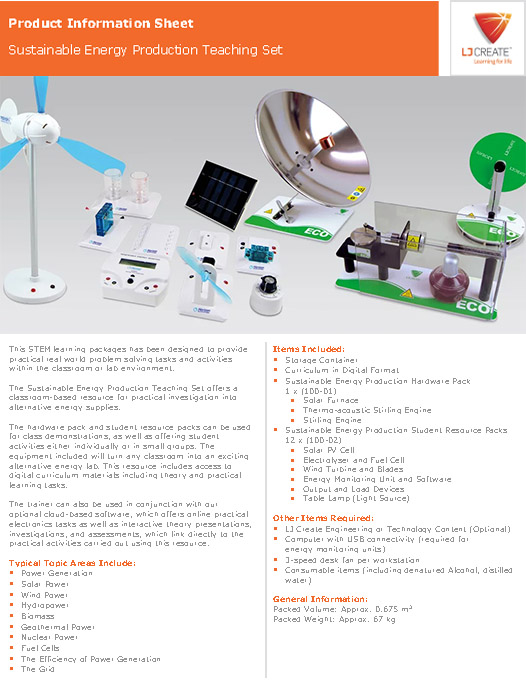
The Sustainable Energy Production Teaching Set (100-00) is a comprehensive educational package that transforms classrooms into dynamic alternative energy labs. Covering a wide array of topics, such as power generation, solar, wind, hydropower, biomass, and more, this STEM-focused kit offers students practical, hands-on learning experiences.
With the included hardware and student resource packs, educators can conduct engaging demonstrations and group activities, fostering a deeper understanding of sustainable energy concepts. Additionally, access to digital curriculum materials and optional cloud-based software enhances learning, providing interactive theory presentations, investigations, and assessments. Overall, this teaching set equips teachers and students with the tools and resources needed to explore and innovate in sustainable energy production.
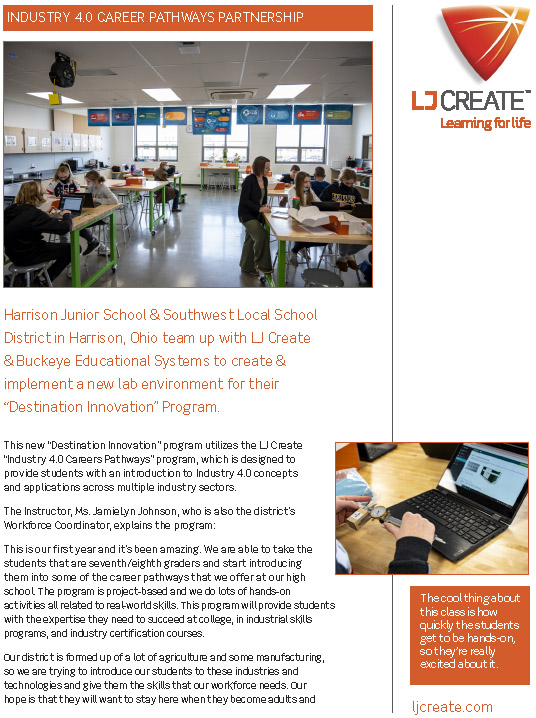
This case study discusses the collaboration between Harrison Junior School, Southwest Local School District in Harrison, Ohio, LJ Create, and Buckeye Educational Systems to create and implement a new lab environment for their "Destination Innovation" Program. This program utilizes the LJ Create "Industry 4.0 Careers Pathways" program, introducing students to Industry 4.0 concepts and applications across various industry sectors.
Ms. JamieLyn Johnson, the instructor and district's Workforce Coordinator, highlights the program's success in engaging seventh/eighth-grade students in career pathways offered at the high school. The program focuses on project-based learning and hands-on activities related to real-world skills, preparing students for college, industrial skills programs, and industry certification courses.
The program aims to expose students to agriculture and manufacturing industries prevalent in the district, equipping them with skills needed by the local workforce. Industry partners collaborate with the school to address their need for skilled employees, creating pathways for students into these trades. Students express enthusiasm for the program, citing its practical approach and the opportunity to work with tools relevant to Industry 4.0 careers.
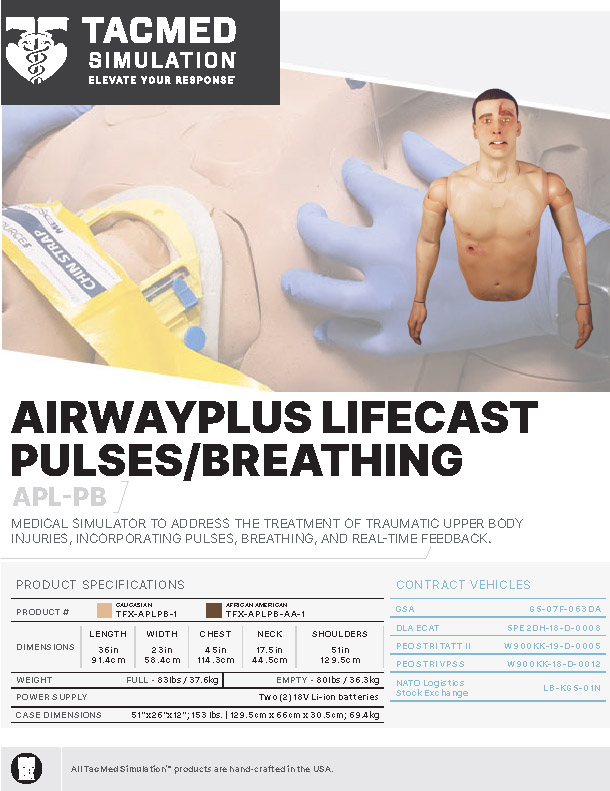
The High Fidelity Upper Body Trauma Trainer, the APL-PB, is an advanced simulation tool designed for medical training. It features realistic functionalities such as active breathing with chest rise and fall, palpable radial and carotid pulses, airway management including intubation and various airway obstructions, needle decompression, tension pneumothorax simulation, IV insertion, and intraosseous (I/O) infusion. With moveable jaw, selectable airway obstruction, cricothyroidotomy, and real-time digital feedback, learners can practice various interventions crucial in emergency medical scenarios.
Key features of the APL-PB include its ability to simulate breathing and breath sounds, palpate pulses accurately, and mimic physiological responses like tension pneumothorax. The trainer's interactive design, including replaceable skin plugs and multiple-use components, enhances realism and repeatability in training exercises. The remote-controlled operation with real-time sensor data monitoring allows trainers to assess student interventions effectively, providing immediate feedback on the application of techniques such as tourniquet use, wound management, airway procedures, and more. Additionally, the modular design enables mixing and matching with other TacMed Solutions trainers to expand training capabilities further.
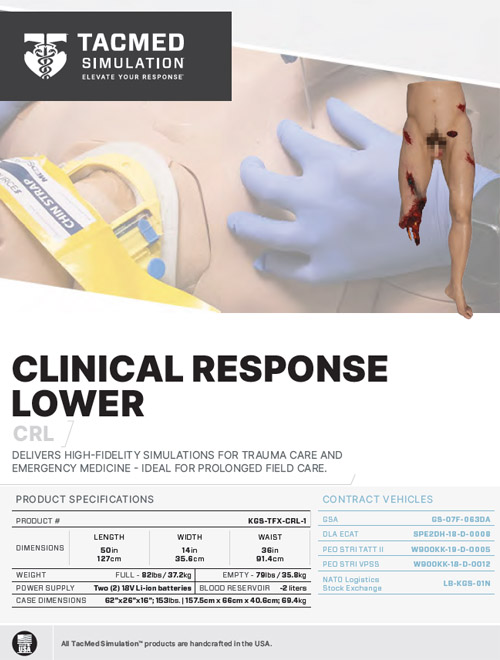
The TacMed Clinical Response Lower (CRL) is designed to provide unparalleled realism and durability in simulating traumatic injuries for medical training scenarios.
The CRL features a full left leg with a hemostatic wound at the inguinal crease, requiring packing with gauze and measurable pressure application. Additionally, it includes a right leg amputation at the knee with a realistic tourniquet site and popliteal artery bleed. These features, coupled with advanced sensor technology, offer trainers and learners instantaneous feedback on applied pressure, bleeding occlusion time, and blood loss volume for after-action reporting.
Key Features
- Full-motion legs with autonomous response to treatment
- Packable wound, amputation, active bleeding & occlusion response, pulses, and tourniquet
- Intraosseous infusion, intramuscular injection, Foley catheter insertion
- Real-time digital feedback, crepitus (crushed pelvic region cue), and remote control capabilities
- Water-resistant, easy to clean, and maintain
The CRL can be paired with any upper torso trainer to optimize your training experience. Download our product flyer to explore all the features in detail and enhance your medical training simulations today!
Lower body simulators are advanced training tools designed to provide realistic and comprehensive education for medical professionals. These simulators replicate the anatomy and physiological functions of the lower extremities, including muscles, bones, joints, and vascular structures. They are used extensively in medical and nursing schools to enhance the practical skills of students, allowing them to practice procedures such as injections, suturing, and emergency interventions in a controlled and safe environment. By simulating real-life scenarios, these tools help trainees build confidence and competence, reducing the likelihood of errors in actual clinical settings.
One of the key features of lower body simulators is their ability to mimic various pathologies and conditions, from fractures and dislocations to vascular diseases and soft tissue injuries. This versatility enables educators to create diverse training modules that cater to different learning needs and specialties. For instance, students can practice orthopedic procedures like setting fractures and performing joint aspirations, or they can focus on vascular access techniques such as placing catheters or performing arterial punctures. The detailed anatomical accuracy and functional realism of these simulators ensure that learners gain a thorough understanding of both normal and pathological conditions of the lower extremities.
Moreover, the use of lower body simulators supports the shift towards more hands-on, experiential learning in medical education. By integrating these simulators into their curricula, educational institutions can provide students with ample opportunities to practice and refine their skills before encountering real patients. This not only enhances the quality of training but also improves patient outcomes by ensuring that future healthcare providers are well-prepared and proficient in essential clinical procedures. The ongoing development and innovation in simulation technology continue to push the boundaries of medical training, making it possible to achieve higher levels of precision and effectiveness in education and practice.
Pages
-

-
 VR Hard Hat's Warehouse Picking: Case virtual reality course is meticulously designed to provide insights into the best practices of case picking, ensuring both speed and precision.
 -
 Front-end labeling, a vital component of the picking process, ensures that products are correctly identified, tracked, and dispatched. Proper labeling can reduce errors, improve efficiency, and enhance customer satisfaction. Hard Hat VR's course is designed to address the nuances of labeling at the initial stages of the picking process, ensuring that errors are minimized and efficiency is maximized.
 -
 Leveraging 25 years of industry experience, unparalleled mathematical models and the latest techniques like gamification, virtual and augmented recreations, we offer the most sophisticated immersive training solutions to prepare mariners for the real world that awaits them onboard and onshore. These simulation solutions also expedite innovation and research processes by acting as the perfect testbed for new concepts and products that then directly contribute to the decarbonization and commercialization of the solutions.
 -
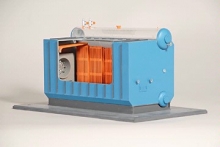 Item Number:355DAC Worldwide’s Water Tube Boiler Model (355) depicts a highly-detailed scale model of a common water tube boiler in a technically-accurate, professionally-crafted design. The model supports training in the operation and maintenance of industrial boilers found within utility systems in industrial facilities.
 -
 WebLytics from OnRobot is the first software solution that provides real-time production monitoring for collaborative applications across major robot brands.
 -
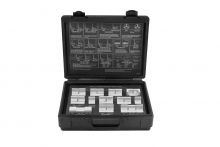 Item Number:825-000DAC Worldwide’s Weld Fault Comparison Kit (825-000) is a three-dimensional visual aid with accompanying training materials that facilitates basic training in weld quality and weld fault terminology by accurately depicting and identifying common weld defects.
 -
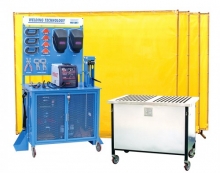 Item Number:950-WT1Welding is central to many industries including manufacturing, construction, and aerospace to name only a few. Welding is a blend of both art and science, joined together to create enduring bonds that allow us to create structures and machines on a scale impossible to achieve without it. The 950-WT1 teaches how to safely create an array of high quality weld types.
 -
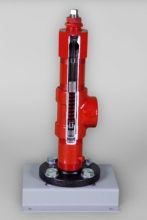 Item Number:295-703DAC's Wellhead Backpressure Regulator Cutaway (295-703) is a sectioned specialty regulator example for training in the operation, construction, and maintenance of three industrial back pressure regulators (BPRs), as used in gas and oil service in the oilfield.
 -
 Simlog’s Wheel Loader Personal Simulator is equipped with either a bucket or forks, at work in a typical construction site with a dump truck or flatbed truck. Configuration options are offered for both “Steering Wheel Steering” and “Stick Steering”, to reproduce the operator controls of (real) small, medium, and large-size wheel loaders.