
Teach Electro-Mechanical Maintenance skills with Bayport Technical products, such as training systems for Flanges and Gaskets, Lock Out/Tagout, Pumps, and Motors, as well as a Lubrication Working Demonstrator.
Student Journeys in Industrial Robotics
Wednesday, October 30, 2024
This video offers a close look at the Marshall Center for Advanced Careers in Alief, where Mr. Johnson teaches industrial robotics to high school students in grades 9 through 12. The program covers core areas like PLC programming, electrical, mechanical drives, hydraulics, and robotics, equipping students with skills that prepare them for in-demand certifications and high-paying careers.
Throughout this video, students and teachers share the meaningful impact the program has had on their lives:
- Mr. Johnson discusses Tech-Labs' support with training and equipment, which has inspired students to pursue certifications and careers in technology.
- Camden, a 15-year-old student, explains how the program has fueled his enthusiasm for robotics and technical skills, opening doors for his future career.
- Benjamin, a 10th grader, shares how his passion for technology is inspired by his father, and how he sees robotics as a way to honor his dad’s legacy.
- Valerie, also 15, speaks about her aspirations in manufacturing and robotics, inspired by her father’s work in the field.
This program provides students with technical expertise often reserved for college, giving them a significant head start in STEM fields. As Mr. Johnson notes, “I don’t teach to the current child; I teach to the future adult.” With Tech-Labs’ support, the program fosters students’ skills and confidence, setting them on a path toward success in technology and automation industries.
Interested in bringing these opportunities to your students? Contact Tech-Labs to learn how we can support your school with industry-leading equipment, training solutions, and certification pathways that pave the way to high-demand careers.
Empowering the Next Generation of Semiconductor Professionals
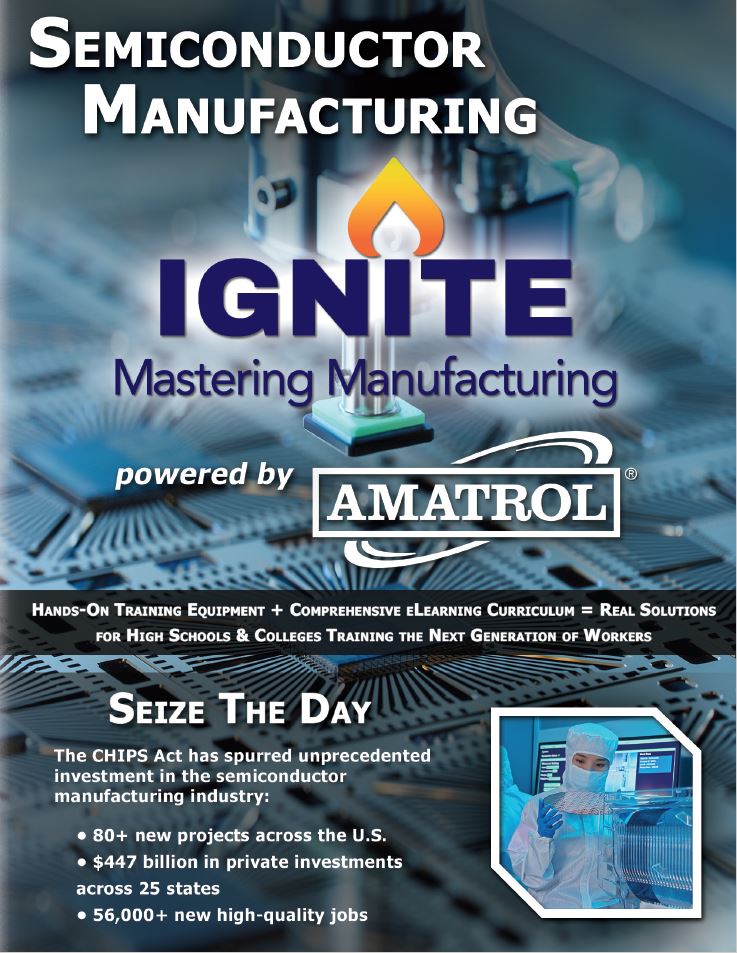
Train the Next Generation of Semiconductor Manufacturing Professionals
The semiconductor industry is booming thanks to the CHIPS Act, driving unprecedented investments in manufacturing and innovation. With this growth comes the urgent need for a highly skilled workforce. Amatrol is here to help you design custom training programs that equip students with the hands-on skills required to succeed in this dynamic field.
Comprehensive Training for Advanced Manufacturing & Industry 4.0 Careers
IGNITE, Amatrol’s comprehensive skill development program, is tailored for high schools and colleges. Available in 1-, 2-, or 3-year formats, IGNITE stimulates interest in advanced manufacturing careers while teaching industry-aligned skills. These courses prepare students for Smart Automation Certification Alliance (SACA) credentials, including the industry's first semiconductor-specific certifications developed with the Florida Semiconductor Institute.
Cutting-Edge Curriculum and Technology
Amatrol’s eLearning programs are designed to engage learners of all styles with:
- Interactive Multimedia: Stunning 3D graphics, voiceovers, and videos.
- Quizzes & Exercises: Reinforce understanding and practical application.
Our hands-on trainers provide unparalleled opportunities for students to practice skills critical to semiconductor manufacturing.
Key Training Modules
Amatrol offers training solutions for a wide range of topics in advanced manufacturing and semiconductor technology, including:
Smart Manufacturing
- Tabletop Smart Factory
- Smart Process Sensors
- Virtual Trainer for Smart Machine Sensors
Electrical & Electronics
- AC Motor Drives
- PLC Troubleshooting
Lean Manufacturing
- 5S Methodology
- Kaizen & Value Stream Mapping
- Total Productive Maintenance
- Basic Pneumatics
- Pneumatics Troubleshooting
Pneumatics
Safety Practices
- Lockout/Tagout
- Hazardous Communication
- Confined Spaces
Measurement Tools
- Precision Gauging
- Multiview & Assembly Drawings
- Inspection Techniques
Why Choose Amatrol?
- ISO 9001:2015 Certified Quality: Trusted for delivering exceptional training solutions.
- Hands-On Learning: Comprehensive trainers that simulate real-world scenarios.
- Industry-Aligned Credentials: Courses aligned with certifications from SACA and other recognized organizations.
Ready to Build Your Semiconductor Training Program?
Contact us today to discuss your needs and let Amatrol help you craft a program that develops the next generation of skilled semiconductor professionals.
Empowering the Semiconductor Workforce of Tomorrow
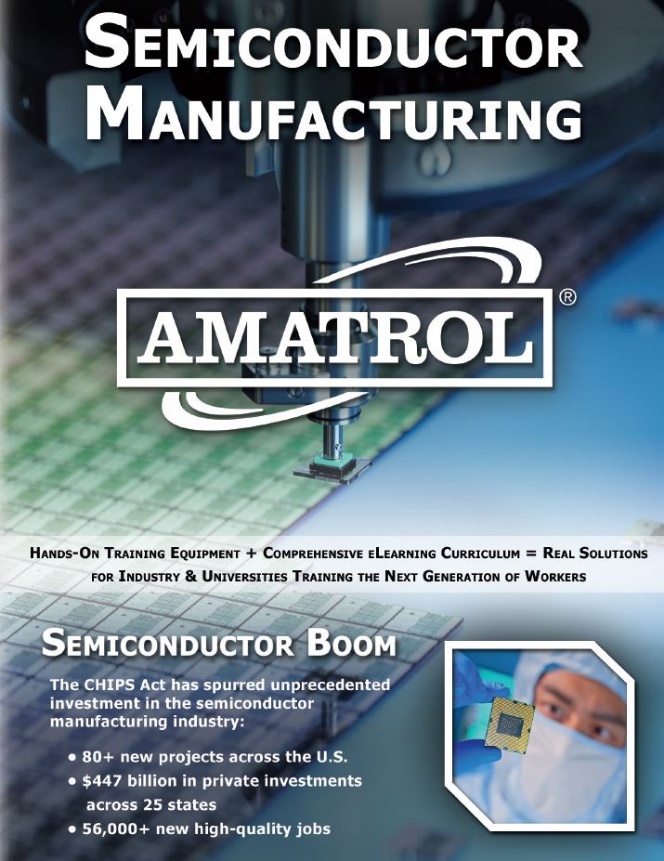
The Semiconductor Boom: A Golden Opportunity for Training Programs
The CHIPS Act has ignited massive growth in semiconductor manufacturing, creating an urgent demand for a highly skilled workforce.
- 80+ new projects across the U.S.
- $447 billion in private investments in 25 states
- Over 56,000 high-quality jobs available
States like Texas, Oklahoma, New Mexico, Utah, Colorado, Wyoming, Montana, and Idaho are experiencing unprecedented demand for skilled workers in this rapidly expanding sector. Now is the time to prepare students and workers to meet the needs of this high-tech industry.
Why Amatrol?
Amatrol’s comprehensive training solutions align with industry-recognized credentials from the Smart Automation Certification Alliance (SACA), developed in partnership with the Florida Semiconductor Institute. These credentials certify essential hands-on skills needed for the semiconductor manufacturing workforce.
Features of Amatrol Training Programs:
- Interactive eLearning Curriculum: Engaging 3D graphics, videos, voiceovers, and quizzes appeal to all learning styles.
- Cutting-Edge Topics:
- Smart Manufacturing
- Basic Pneumatics
- PLC Troubleshooting
- Smart Process Sensors
- Pneumatics Troubleshooting
- Virtual Trainers
- AC Motor Drives
- Blueprint Reading
- Safety Practices & Regulations
Tailored Solutions for Industry and Universities
Amatrol helps universities and industrial training programs design custom training programs to prepare the next generation of semiconductor workers. Equip your students with:
- Smart Factory Systems
- Electrical and Electronics Training
- Precision Gauging Techniques
- Lean Manufacturing Practices
Addressing Workforce Needs in Key States
Semiconductor manufacturers in Texas, Oklahoma, New Mexico, Utah, Colorado, Wyoming, Montana, and Idaho are facing a growing skills gap. By integrating Amatrol’s advanced training systems, your program can:
- Provide industry-standard credentials.
- Develop hands-on competencies for high-tech careers.
- Address the regional demand for skilled technicians in this booming field.
Ready to transform your training program? Contact us today to learn how Amatrol can help you design a cutting-edge semiconductor workforce development program.
From Classroom to Career: Hands-On Logistics Education
Thursday, November 23, 2023
The TDL Academy at Western Guilford High School provides students with a transformative journey from classroom learning to high-demand careers in transportation, distribution, and logistics. Established in the 2019–2020 school year, this innovative program equips students with the skills, knowledge, and experience to excel in a rapidly growing industry.
Hands-On, Simulator-Based Training
- Students engage in real-world projects and problem-solving scenarios.
- Simlog simulators provide immersive training experiences, including forklift and reach truck operations.
- From beginner to advanced levels, students master equipment controls and full operation, preparing them to step into real-world roles confidently.
Building Career Pathways Through Partnerships
TDL Academy’s partnerships with leading companies like Fastenal and FedEx offer students real-world internship opportunities. These collaborations bridge classroom learning with workplace readiness, ensuring students leave the program career-ready. Many graduates transition into full-time roles, thriving in logistics careers while pursuing further education.
Simlog Simulators: The Key to Success
- Simlog forklift and reach truck simulators provide industry-standard training tools.
- Students gain hands-on experience in operating both stand-up and sit-down equipment.
- Simlog simulators support a range of users, from beginners to experienced technicians seeking supplemental training.
Success Stories
- Graduates have excelled in positions at logistics giants like Fastenal and FedEx Freight.
- Interns gain a competitive edge with Simlog-based simulator training, making them highly valued in the workforce.
- Companies report reduced training times and increased productivity thanks to the hands-on experience students receive.
Empowering Students for High-Demand Careers
With the capacity to train 60 students annually, the TDL Academy delivers a win-win solution for students, schools, and businesses. Graduates are job-ready and equipped to thrive in a field where skilled professionals are in high demand.
Take the Next Step
Ready to elevate your logistics training program? Discover how Simlog simulators can transform your classroom into a hands-on, career-ready learning environment. Whether you're starting a new program or enhancing an existing one, Simlog’s cutting-edge forklift and reach truck simulators provide the tools to prepare students for high-demand jobs in transportation, distribution, and logistics.
Contact us today to learn how to integrate Simlog simulators into your curriculum and create a pipeline of skilled, job-ready graduates!
Discover the industry-leading Smart Process Plant Training System (Model 603-SP)—a hands-on solution for mastering the complexities of process control systems. Designed for real-world training, this system allows learners to measure and control critical process variables, including level, pressure, temperature, flow, and pH. Featuring industry-standard components and advanced technologies, the 603-SP prepares trainees for careers in power generation, petrochemicals, biotechnology, food processing, and beyond.
Download the brochure to explore how the 603-SP integrates cutting-edge tools like smart sensors, distributed control systems (DCS), and Rockwell Automation’s PlantPAx software to provide a robust, immersive learning experience. Learn about hands-on exercises and experiments that simulate real-world applications, such as bioreactor operations, clean-in-place (CIP) systems, and wastewater treatment. Equip your team with the skills they need to excel—download now!
Empowering Education with Lincoln Electric
Tuesday, December 2, 2025
Hands-On CNC Plasma Cutting Experience for Students in 30 Minutes or Less
Lincoln Electric® CNC plasma cutting tables are the ideal addition to educational programs, providing students with real-world skills in precision metal cutting. Designed as fully integrated systems, these machines offer seamless operation, allowing instructors and students to focus on learning rather than troubleshooting equipment.
Why Choose Lincoln Electric® for Your Classroom or Training Lab?
- Turnkey Solutions for Educators: Fully assembled and ready to use—start teaching metal cutting skills the same day the table arrives.
- Integrated Design: Every component is engineered to work together, ensuring reliable performance and easy operation for students.
- Durable and Low Maintenance: Torchmate tables are built to handle the rigors of daily classroom use with minimal upkeep, so your focus remains on teaching.
- Industry-Standard Training: Equip students with hands-on experience using technology trusted by professionals in manufacturing and fabrication.
Whether you’re running a high school CTE program, a technical college course, or a workforce development initiative, Lincoln Electric® CNC plasma tables empower students with practical, job-ready skills in CNC programming and metal fabrication.
Empowering Workforce Development with Lincoln Electric® Torchmate
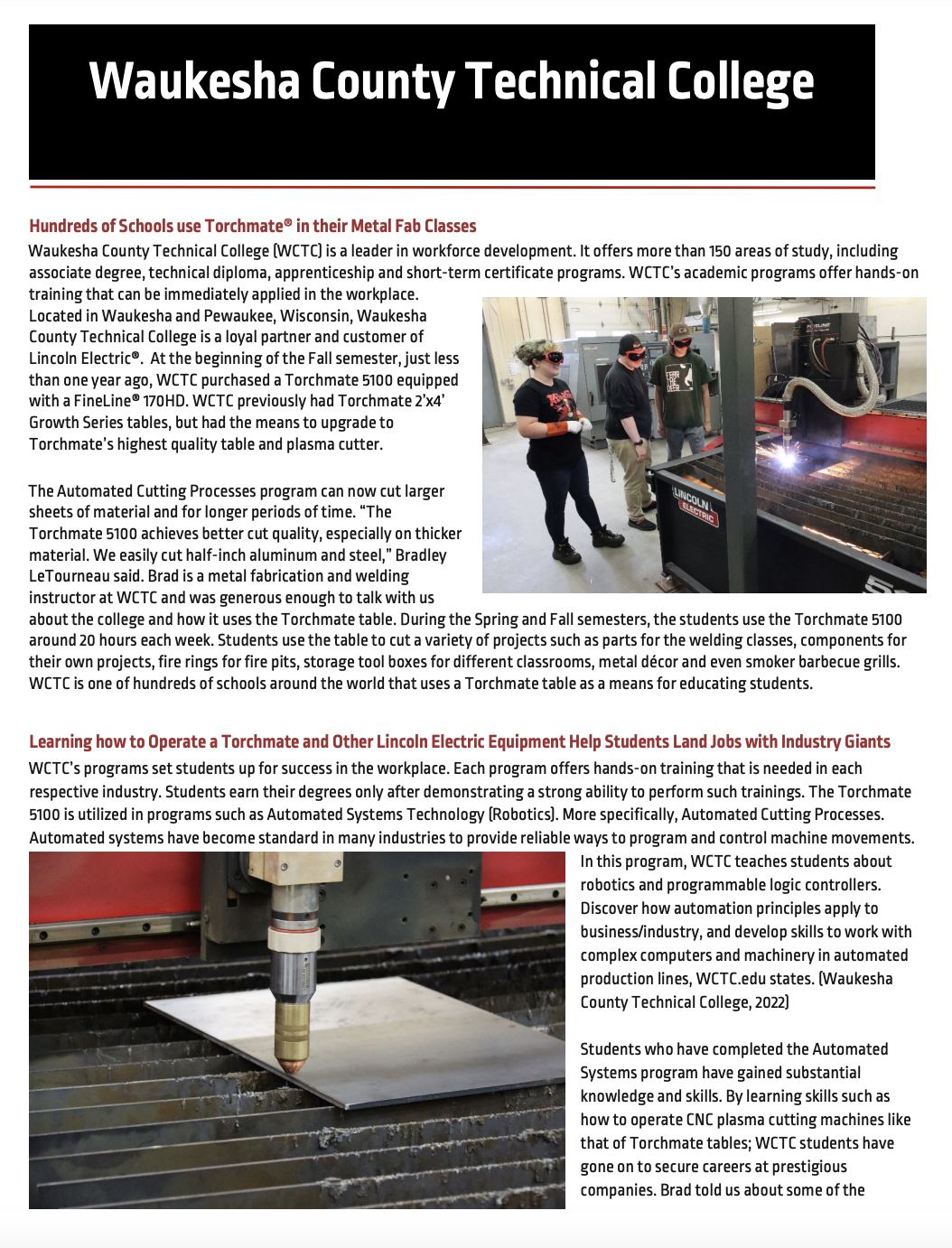
Waukesha County Technical College (WCTC) is a leader in workforce development, offering over 150 programs, including associate degrees, technical diplomas, apprenticeships, and short-term certificates. With Waukesha and Pewaukee, Wisconsin campuses, WCTC delivers hands-on training designed for immediate application in the workplace. As a proud partner of Lincoln Electric®, WCTC equips its students with cutting-edge tools and skills to meet industry demands.
Upgrading to the Torchmate 5100 for Better Learning Outcomes
In the Fall semester of 2022, WCTC upgraded its CNC plasma-cutting capabilities by investing in a Torchmate 5100 equipped with a FineLine® 170HD. This advanced system replaced their previous 2’x4’ Torchmate Growth Series tables. It enabled students to work on larger sheets and produce higher-quality cuts, even on thicker materials like half-inch aluminum and steel.
- Enhanced Precision: Achieves superior cut quality on a wide range of materials.
- Increased Capacity: Handles extended work hours, with students using the table for 20+ hours each week.
- Diverse Applications: Students create parts for welding classes, fire pits, metal décor, smoker grills, and more.
Real-World Training Leads to Career Success
WCTC’s Automated Cutting Processes program, part of the Automated Systems Technology curriculum, integrates CNC plasma cutting with robotics and programmable logic controllers (PLCs). Students gain hands-on experience operating advanced systems like the Torchmate 5100, learning automation principles critical in modern industries.
Success Stories
Graduates of the Automated Systems program have secured roles at industry leaders like Messer, a global provider of industrial and medical gases:
- Three alumni now serve as application engineers.
- One graduate works as a product manager.
- Another alum is a software engineer.
These career placements highlight how WCTC’s partnership with Lincoln Electric® empowers students to achieve high-level roles in their fields.
Lincoln Electric®: Partnering with Educators
Lincoln Electric® is committed to supporting education by providing instructors with state-of-the-art equipment and comprehensive training. WCTC’s arsenal of Lincoln Electric products includes:
- Torchmate 5100 with FineLine® 170HD
- Tomahawk® manual plasma cutters
- Robot welding machines
- Power Wave®, Flextec®, and Precision TIG® welders
After the Torchmate 5100 purchase, Lincoln Electric sent expert trainers to WCTC, ensuring educators were equipped to maximize the machine’s capabilities.
“Lincoln Electric is a trusted name with a long history. They have individually focused teams that perfect each product. They’ve done great for WCTC, and I would absolutely recommend the Torchmate 5100.” – Brad LeTourneau, WCTC Metal Fabrication and Welding Instructor
Investing in the Future Workforce
By partnering with schools like WCTC, Lincoln Electric® ensures the next generation of welders, engineers, and fabricators is well-prepared for industry challenges. With innovative solutions like the Torchmate 5100, students gain the skills and confidence to succeed in their careers.
Ready to bring Lincoln Electric® solutions to your school? Contact us today to learn more about how our training systems can empower your students.
Empowering Education with Torchmate® CNC Plasma Cutting Tables
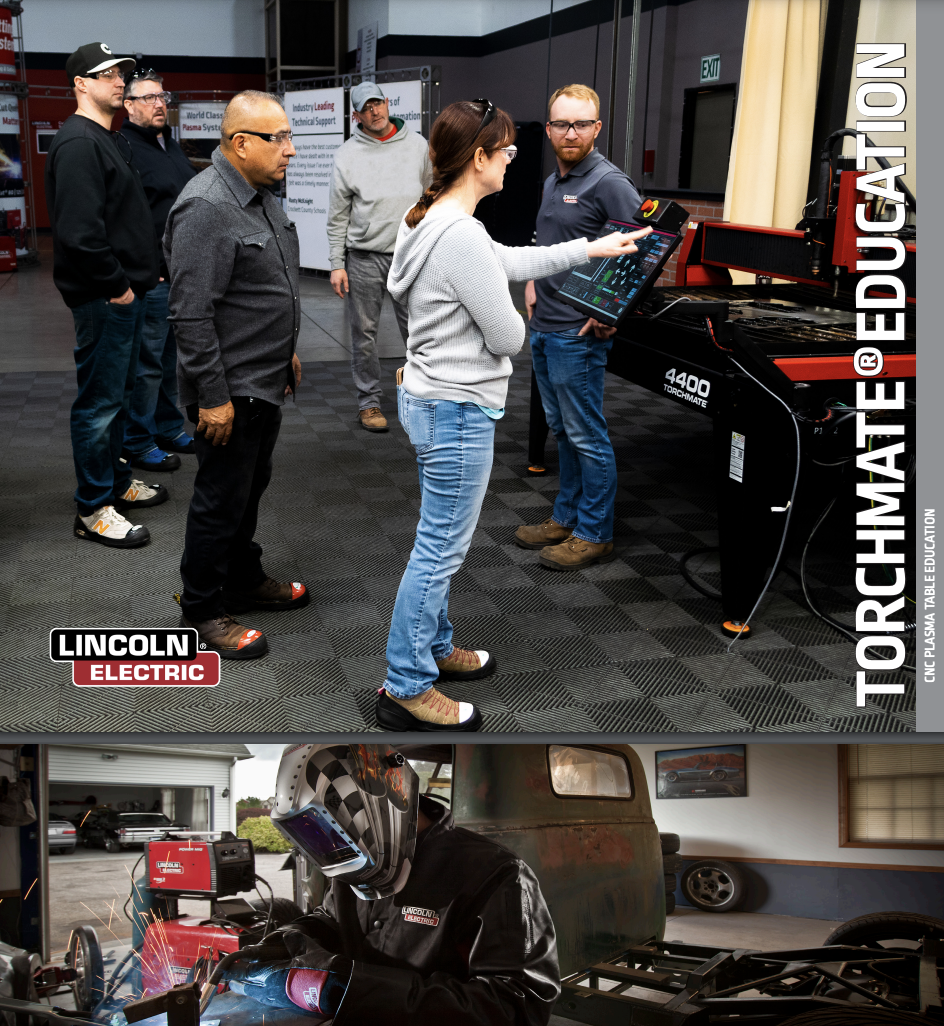
Torchmate® offers state-of-the-art CNC plasma cutting solutions designed specifically for educational institutions. The Torchmate EDU catalog highlights tools, training programs, and resources to equip educators with everything they need to prepare the next generation of skilled manufacturing, welding, and robotics workers.
Key Features of Torchmate® CNC Plasma Cutting Tables
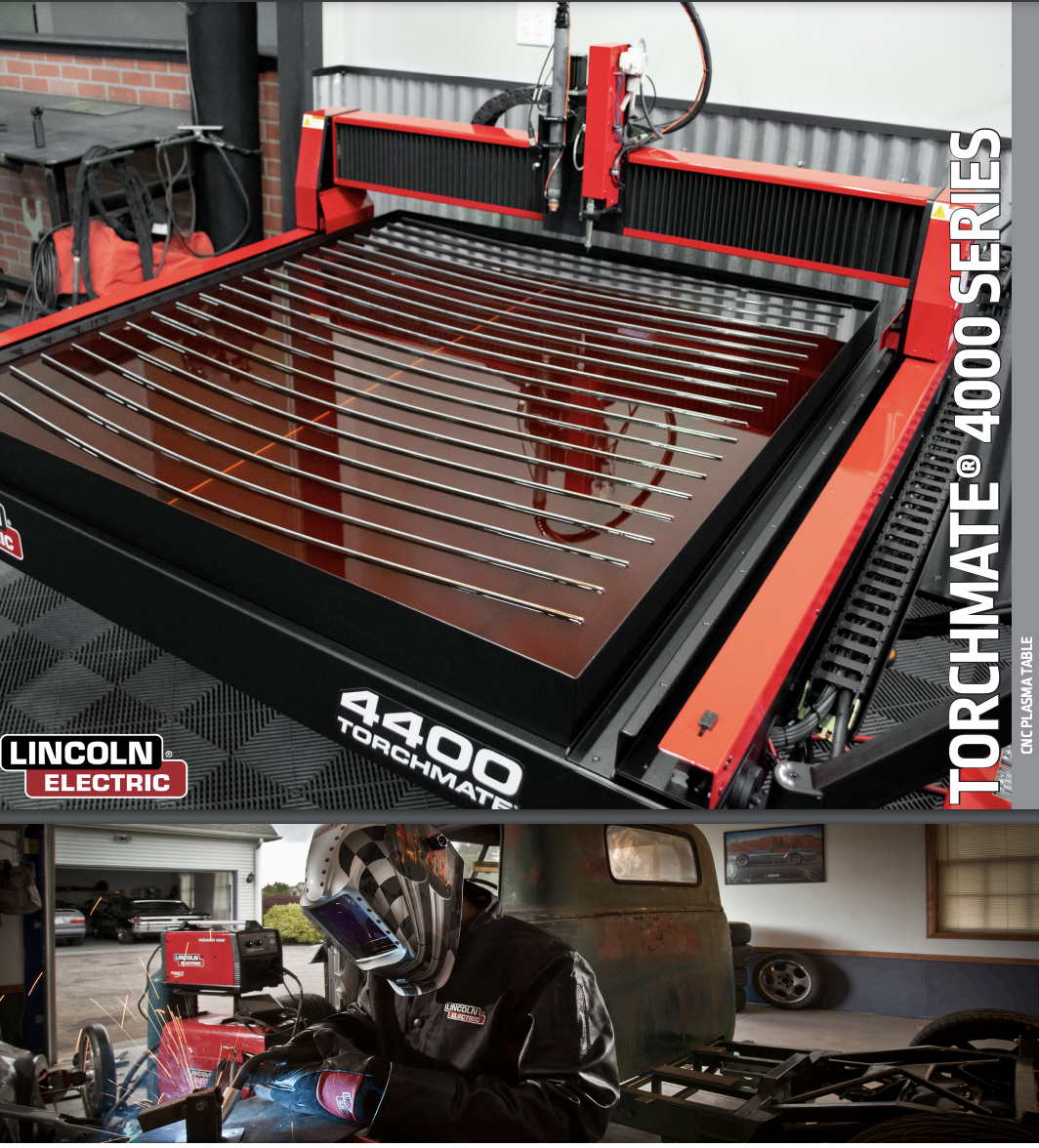
- Plug-and-Play Systems: Torchmate 4000 Series tables are ready to run in just 30 minutes, ensuring minimal downtime and seamless classroom integration.
- Comprehensive Educational Packages: Includes unlimited student licenses, the ProText module (1,300+ fonts, 4,000+ clip art images), and robust CAD/CAM software tailored for classroom use.
- Advanced Technology: Proprietary motion control systems, industrial-grade user interfaces, and optional castor wheels for mobility.
- Enhanced Training Opportunities: Torchmate University and Academy provide video tutorials, live training sessions, and hands-on learning experiences for both students and instructors.
Models Featured in the Catalog
- Torchmate 4410 (4x4 ft):
Compact and powerful, ideal for smaller classrooms with limited space. Perfect for medium-sized projects and foundational training. - Torchmate 4810 (4x8 ft):
Designed for larger material handling and increased productivity. Suitable for schools with advanced manufacturing programs. - Torchmate 4510 (5x10 ft):
Built for large-scale, professional-grade projects. Equipped for cutting thick materials and accommodating full sheets of metal. - Torchmate 4000 TC Pipe & Tube Cutter:
Specialized for educational environments, allowing students to cut and profile pipes with precision while learning real-world automation skills.
Complete CNC Curriculum
The Torchmate CNC Plasma Cutting Curriculum provides a structured and comprehensive approach to teaching CAD, CAM, and CNC operations. Key highlights include:- 11 Chapters of Instruction: Covers topics like coordinate systems, G-code programming, and Torchmate CAD.
- Hands-On Projects: Guides students through the design and fabrication process, ensuring practical skill development.
- Instructor-Friendly Design: Lesson plans, quizzes, and assignments tailored for easy implementation.
Training & Support for Educators
Torchmate provides extensive training and support to ensure successful classroom integration:
- Torchmate Academy: High-definition video walkthroughs covering machine operation and maintenance.
- On-Site Training: Customized sessions with factory-trained technicians at your location.
- Virtual & Classroom Training: Options include Torchmate University, live virtual classes, and in-person seminars.
Why Choose Torchmate for Education?
- Industry-Standard Tools: Equip students with the same technology used by professionals in manufacturing and robotics.
- Seamless Integration: Ready-to-run systems with full educational support.
- Future-Ready Curriculum: Prepare students for careers in CNC operations, metal fabrication, and advanced manufacturing.
Download the Catalog
Discover how Torchmate CNC plasma cutting tables can transform your educational program. Download the full Torchmate EDU Catalog to explore tools, curriculum, and training resources designed to empower educators and students alike.
Unlock Advanced CNC Plasma Cutting with Torchmate® 4000 Series
Torchmate®, a Lincoln Electric® company, introduces the 4000 Series CNC plasma cutting systems—designed for high performance and efficiency. Whether for education, small fabrication shops, or industrial applications, the 4000 Series offers cutting-edge technology, durability, and unmatched support to meet diverse cutting needs.
Key Features of the 4000 Series
- Ready to Run in 30 Minutes: Fully assembled and pre-configured systems allow you to start cutting immediately.
- Advanced Performance: Faster cycle times (2.5x improvement), 65% faster cut speeds, and reduced operational costs.
- Enhanced User Interface: Integrated touchscreen HMI, 27-part shape library, and optional clip art gallery with over 6,000 files.
- Durable and Dependable: Engineered for exceptional repeatability, with best-in-class warranties (2 years on tables, 3 years on power supplies).
Torchmate 4000 Series Models
Torchmate 4400 (4x4 ft)
Compact and powerful, ideal for smaller fabrication shops or classrooms with limited space.
- Dimensions: 74” x 67” x 63”
- Water Capacity: 60 gallons
- Material Capability: Cuts up to 1" mild steel
Torchmate 4505 (5x5 ft)
A versatile option for mid-size projects and general fabrication.
- Dimensions: 86” x 79” x 63”
- Water Capacity: 85 gallons
Torchmate 4800 (4x8 ft)
Designed for larger cutting areas, reducing material waste and increasing productivity.
- Dimensions: 74” x 114” x 63”
- Water Capacity: 107 gallons
Torchmate 4510 (5x10 ft)
Built for large-scale applications, offering superior cutting capabilities for industrial needs.
- Dimensions: 86” x 138” x 63”
- Water Capacity: 140 gallons
Education Packages
Torchmate 4000 Series offers tailored solutions for schools and training programs:
- Ready-to-Run Systems: Fully assembled and optimized for classroom integration.
- Unlimited CAD Licenses: Equip every student with hands-on design and programming experience.
- Comprehensive Support: Includes advanced online training, private educator communities, and interactive learning resources.
Why Choose Torchmate 4000 Series?
- Seamless Integration: Rapid delivery and setup minimize downtime.
- Cost-Effective Operation: Save up to 45% on consumable costs with FlexCut® technology.
- Industry-Leading Warranty: All components backed by Lincoln Electric’s trusted service.
Download the Catalog
Explore the full Torchmate 4000 Series Catalog to discover detailed specifications, features, and training resources. Jumpstart your training with advanced CNC plasma cutting today.
Complete CNC Package for Schools
Monday, February 28, 2022
Check out the Torchmate CNC plasma table education packages! These packages are the ideal choice for the education setting with unlimited student licenses, superb training options, and numerous other online learning tools to keep your students engaged.
Pages
-
 Item Number:SMMT / MT / FGT / LOTO
 -
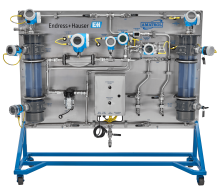 Item Number:T5600Train learners on real-world process instrumentation with Amatrol’s T5600, featuring Endress+Hauser components for flow, level, pressure, temperature, HART, Bluetooth, and Ethernet communications.
 -
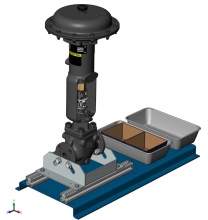 Item Number:255KEDAC Worldwide's Enhanced Control Valve Dissectible (255KE) is a realistic, hands-on valve sample that supports realistic classroom training.
 -
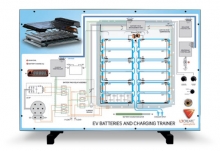 Item Number:741-01Students will investigate how battery temperature and efficiency is effected at differing levels of charge. Instructors can demonstrate regenerative charging and more with this on-vehicle charging systems panel trainer.
 -
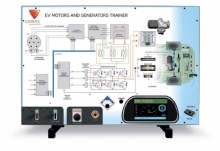 Item Number:742-01This trainer is focused on motor speed control and uses a variety of sensors to feedback on motor position and speed. Electrical circuit operation is illustrated under different conditions – Throttle, Brake, and Drive Select.
 -
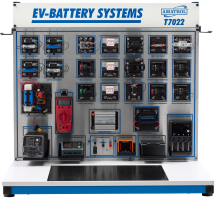 Item Number:T7022Train the next generation of EV workforce with the Amatrol T7200 EV Battery Technology Training System. Hands-on skills in safety, diagnostics, disassembly, and troubleshooting prepare learners for electric vehicle careers.
 -
 Item Number:271KThe Extended Dissectible Valve Assortment features actual industrial valves that industrial maintenance technicians will commonly encounter on the job.
 -
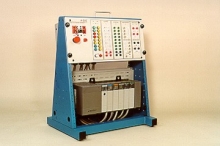 Item Number:464EDAC Worldwide’s Extended PLC Trainer (464E) is a multi-use training platform allowing for instruction related to the programming and use of industrial PLCs.
 -
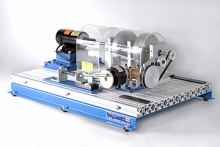 Item Number:203EIndustrial maintenance technicians must learn to operate, maintain, troubleshoot, and repair a wide variety of mechanical systems used to manufacture products. One of the key diagnostic tools technicians will use during preventive maintenance as well as to maintain optimum efficiency is vibration analysis.
 -
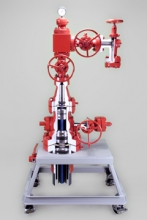 Item Number:295-795EDAC Worldwide’s Extended Wellhead Assembly Cutaway (295-795E) depicts the complete assembly of components used in creating a wellhead.